Commercial helical pile installation has moved coming from a particular niche technique to a first-choice foundation alternative for lots of brand-new shapes. Specialists use helical piles to hold pillar lots on mixed grounds, to bypass weak higher strata, to pin maintaining wall structures, and to always keep timetables carrying on tight web sites where cement vehicles as well as large exploration gears can not operate successfully. When organized and also performed well, helical piles provide predictable capacity, quick setup, as well as marginal spoil. When dealt with poorly, they develop lots transfer complications that appear later on as settlement, racking, and also split appearances. The variation resides in style sychronisation, devices variety, quality control, and also area judgment.
This guide walks through the entire process the means it happens on an actual work: from early geotech sychronisation to torque connection, from tieback anchors for bandaged diggings to load screening and turn over. It additionally compares helical piles to micropiles and also protection piles, due to the fact that the smartest crews pick the best centered base, certainly not the stylish one.
Where Helical Piles Fit in Commercial New Construction
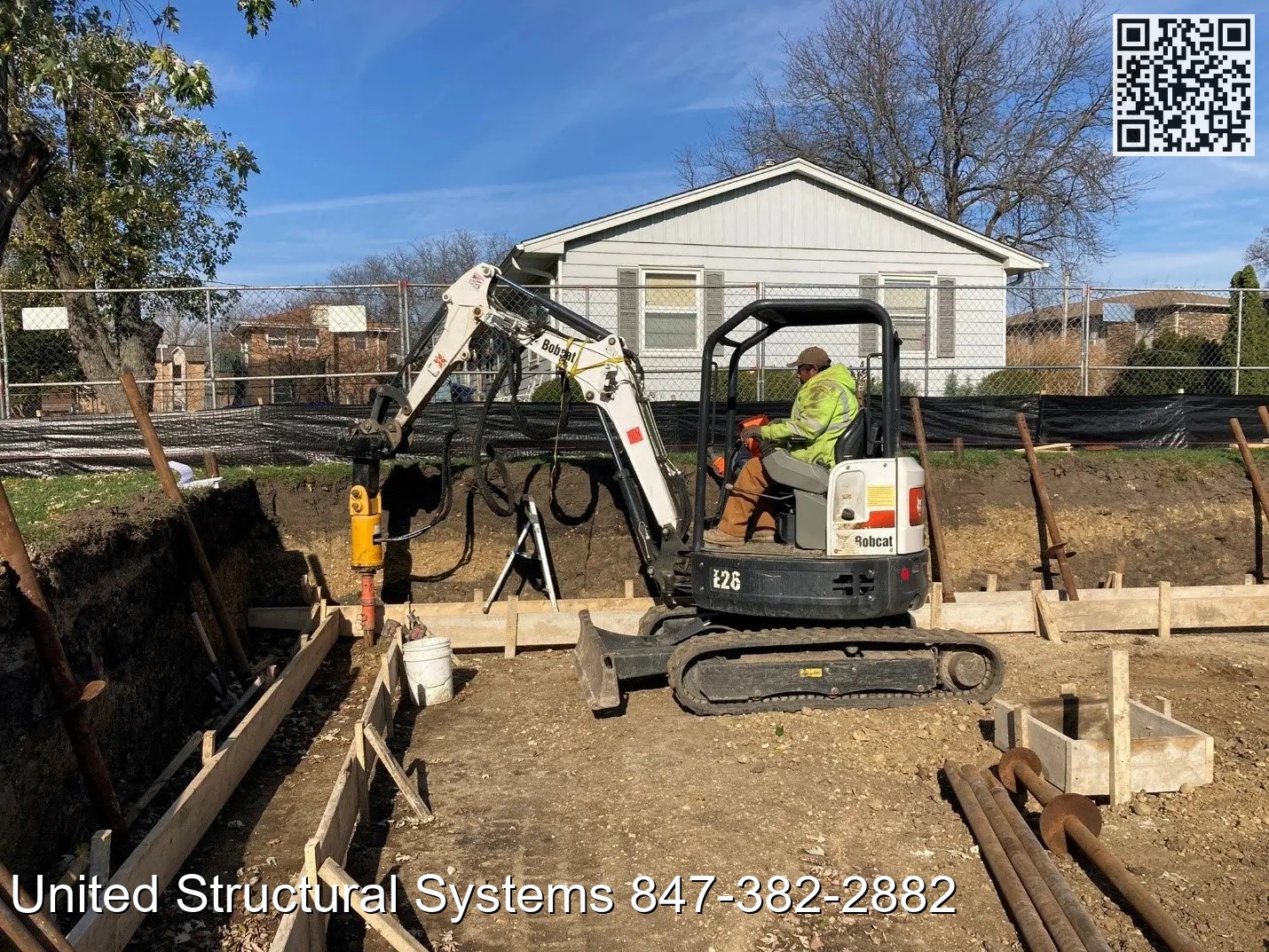
Helical heaps belong in the talk whenever you need deep-seated structure capability with minimal get access to, bad near-surface dirts, environmental level of sensitivity, or helical pier foundations a compressed schedule. They are steel shafts along with helical plates that screw right into soil up until they reach style torque and embedment. Appropriately created and also put in, helical piles deliver compression and also stress capability without resonance, cement batching, or treatment opportunity.
On new creates, you will definitely observe helical piles under steel pillars, precast boards, light industrial pieces with rack bunches, technical pads, as well as add-ons. They additionally couple well with level beams as well as building slabs. For preserving buildings, helical tieback anchors make instant capacity in tension, which is perfect for diggings and also permanent walls. In extensive clays or even organics, helical piles bypass the bothersome grounds and also seat capability in capable coatings below.
They are not a cure‑all. If your dirts are heavy crushed rocks with cobbles, or if your layout depends on end bearing in base along with strict refusal, helical piles may strain to breakthrough or to constitute trustworthy helix-soil get in touch with. In those situations, micropiles with drilled, grouted encouragement typically create additional sense. If you need large personal capacities over the functional variety of helical shafts, consider commercial resistance pile installation or even micropile installation rather, or even team helicals with a limit as well as check out serviceability.
Design Inputs That Matter Much More Than Specification Sheets
The finest commercial helical pile installation begins before any person sets in motion. Geotechnical exploration quick guides coil diameter choice, lead arrangement, and also intended depths. A regular plan features several borings to 25 to 60 feet, laboratory testing for strength as well as mark residential properties, and also groundwater reviews. For a warehouse on silty clay over heavy sand, for example, our company may target a coil pile that may bite right into the sand coating at 28 to 35 feet, along with pair of or even three coils spaced 3 diameters apart to reduce interaction.
Structural necessities follow. Pillar bunches, uplift from wind or covers, side load coming from maintaining walls and also frameworks, seismic demands, and also serviceability restrictions define bum rap size and also layout. For an one hundred kip company squeezing tons along with 25 kip uplift, a 2.875 in pole along with a 10‑12‑14 inch coil stack may be appropriate, yet just if the twist correlation and also dirt profile warrant it. If uplift dominates, helical tieback anchors might lug lateral preparing, maintaining groundwork piles paid attention to compression and also decreasing flexing requirements at the heap hat interface.
Coordination along with other units returns. If the task additionally uses micropiles or protection piles in particular regions, fit in with stack caps, embed layers, as well as testing. Altering components in between units may create outlet attracting hold-ups and preparation issues. On commercial web sites, corrosivity testing notifies galvanization or even epoxy finishings, and also in waterfront zones, cathodic protection may be necessary. Layout for oxidation up front as opposed to reviewing it after procurement.
Comparing Possibilities: Helicals, Micropiles, as well as Resistance Piles
Helical piles, micropiles, and resistance stacks each have strengths. Choose based upon soils, get access to, capability, and also schedule.
- Helical piles: Robotically set up, urgent size, low spoils, quiet, excellent for strain as well as moderate compression, conscious impediments and incredibly heavy crushed rocks. Abilities generally range coming from 30 to 150 kips per heap for normal business cylinders, higher along with bigger dimensions and also multiples. Great for commercial foundation stabilization as well as brand new create deep foundation repair danger avoidance. Micropiles: Drilled and grouted steel support, excellent in obstacles as well as rock, high abilities per factor, perform properly in seismic and also lateral load transmission along with case. Needed to have grout, QA on cements take, as well as remedy opportunity. Micropiles sparkle in blended loaded with debris, famous primaries, or even where you need to have to outlet into rock. Resistance piles (push stacks): Hoisted against a framework or solid response, frequently utilized in structural foundation repair as well as commercial foundation repair. For brand new creates without a reaction framework, they are actually less efficient, though some projects utilize crafted reaction frameworks. Much more typical in support than ground-up.
If the web site possesses cobbles, aged groundworks, or even slag filler, anticipate micropiles to gain. If you need hundreds of heaps installed quickly with lightweight equipment and little bit of clutter, helical piles usually lead. For heavily packed centers where each element should carry 200 kips or even additional, micropiles or bored shafts may be actually a lot more practical per kip.
The Anatomy of a Helical Pile System
A helical pile is more than a shaft. It is actually a device of components, installation devices, as well as testing methods.
The shaft: Sphere or even square. Around shafts like 2.375 or even 2.875 ins avoid bending and also bending far better, useful for sidewise needs or even when the heap goes through soft higher soils. Square shafts like 1.5 or even 1.75 ins are dependable in tension as well as compression when lateral lots are marginal and the ground supplies confinement.
Helix plates: One to 3 plates on the top segment, in some cases a lot more for longer tops. Spacing complies with 3 opportunities the helix size to minimize communication. Layer diameters usually vary coming from 8 to 16 inches on business projects. Fabrication quality matters, as unsatisfactory welds or deformed layers warp dirt flow as well as lessen capacity.
Couplings and extensions: Scampered or even affixed couplers preserve twist connection. Irregular coupler placement enhances wobble and also coil eccentricity, which indicates questionable torque readings. Maintain the stack straight.
Terminations: New builds usually make use of brand new development hats along with rebar pegs, plates along with support screw patterns, or light beam seats. For limited pieces, threaded pole adapters permit elevation modifications. For bandaged excavations, helical tieback anchor heads include turnbuckles or even threaded bars to latch off tension.
Torque red flags: Adjusted torque screens, either digital inline or gas with calibration graphes. Videotape torque every foot of improvement to associate capability. Without a torque log, you are actually flying blind.
How Torque Associates to Capacity
The field utilizes a pragmatic relationship in between installation twist as well as axial ability. The rough guideline commonly cited is actually a multiplier, such as 8 to 10 opportunities the setup torque in foot‑pounds broken down due to the shaft dimension in inches, however experienced installers treat twist as a proof device, not the only concept basis.
Helix geometry, dirt kind, pressure price, as well as disruption modify the relationship. In sand, the relationship has a tendency to be sturdy and repeatable. In delicate clay-baseds, torque can easily underpredict size if clays reconstruct around the plates in the course of installment, or overpredict if attachment spikes. That is why pre-construction lots exams matter. For a venture along with 75 kip company turn in fine sand, we could target 7 to 9 kips per 1,000 ft‑lb of twist as proven through a squeezing as well as tension test set, at that point include a safety and security factor per code and manager requirements. If manufacturing torque fails at layout intensity, stretch the heap to a denser level or even add larger reduced coils if the layout allows an adjustment purchase and also the soil can easily accept them.
Field Strategies That Keep the Schedule
One cause commercial helical pile installation stays preferred is actually velocity. A two‑person team with a miniature backhoe or skid guide and a high‑torque drive head can easily mount 20 to 40 piles in a day, depending upon deepness and obstructions. Design as well as preparation figure out whether you hit that rate.
Lay out pile sites along with offsets to the structure grid, after that repaint both the heap center and also the cap positioning if plates need to align along with beam lips or support screws. Check out contravene below ground energies, especially brief energy as well as dewatering pipelines. If the web site is limited, stage extensions and also leads in the order you anticipate to utilize them. Teams throw away hours chasing pieces when stock is spread all over the laydown yard.
Plan mess up administration despite the fact that helicals make bit. Damp silts and also clays still cling to shafts and also the excavator keep tracks of. If the website requirements asks for clean rock operating pads, defend them. The cost of renewing pad rock can rival a number of piles.
Coordinate inspections. Lots of structure departments call for a special examiner to witness verification examinations or at the very least to evaluate twist logs and certifications. If the assessor shows up the day after the crew demobilizes, you might be actually punching openings for confirmation examinations you might possess conducted throughout production.
A Practical Step‑by‑Step for New Builds
Helical stacks are simple when you crack all of them in to workable steps.
- Verification before creation: Execute a minimum of one squeezing as well as one stress tons exam near the worst expected ground profile. Confirm the torque‑to‑capacity connection and also adjust the design if needed. Layout and pre‑drill where essential: In challenging crusts, a fly gap avoids the helix coming from skittering. Always keep the pilot much smaller than the helix size to keep confinement. Install along with real‑time torque surveillance: Advance little by little with soft layers, steady via aim at dirts. Document torque at each feet. If torque spikes and then goes down, look for obstructions and also re‑establish verticality. Achieve embedment and twist criteria: Do not quit at intensity without torque, and perform decline twist at superficial embedment unless the developer approves it. If either guideline stops working, extend or change the lead. Set discontinuations and also validate elevation: Weld or even screw brand new development limits, examination altitude within endurances, documentation last torque, depth, and stack ID.
That pattern maintains the function repeatable without switching the site right into a rainforest of examination gears and rework.
Installing Helical Tieback Anchors for Excavations and also Walls
Commercial helical tieback anchor installment observes comparable guidelines, yet along with added geometry. Access head elevation for the travel head, at that point punch with the lagging or even soldier heap internet at the design angle. An usual anchor angle functions in between 10 and 20 levels below horizontal, though geometry and building lines might oblige modifications. The anchor should land in the right ground level past the energetic block. In coarse-grained backfill behind a basement wall, an extra 5 to 8 feets past the theoretical breakdown plane offers a practical buffer.
Advance the helical anchors along with torque surveillance. Strain capacity is likewise connected to torque, yet the lock‑off procedure matters. After getting to the target twist and also intensity, affix the anchor head, apply port strain to the style lock‑off bunch, and record elongation. If the wall relocates during lock‑off, examination dowel pin lapse or even link action at the waler. For permanent installments, make use of hot‑dip galvanized parts, double almonds, as well as corrosion security sleeves as specified.
Tiebacks support certainly not only permanent wall structures but also brief excavations. The advantage is quick capacity as well as very little spoils, which always keeps the digging dry and also decreases slurry dealing with. One persisting challenge is drilling a lot of anchors just before evaluating the first one, which may grow modify if the soil level performed certainly not act as supposed. Test early, after that proceed.
Quality Command: What to Report and also Why It Matters Later
Good documents lower callbacks and help with pay requests. At lowest, accumulate the pile ID, place, day, installer, lead and also helix arrangement, torque per foot of intensity, ultimate torque, embedment, discontinuation information, and also any obstructions or even deviations. For tieback anchors, include lock‑off bunch, prolongation, and also slip exam records if performed.
Instrument calibration is not a luxury. Twist signs should be actually calibrated on a schedule, often every 6 months or even every manufacturer suggestion, along with a certification on file. Without calibration, torque logs may be challenged, as well as you risk conflicts about capacity or even payment.
Load testing must be clean. For compression exams, set response light beams or supports along with sufficient capacity and also hardness to stay clear of system curvature skewing results. For tension, make sure the exam frame aligns which settling reductions are understood. Observe the test procedure, whether ASTM or an engineer's project‑specific technique, as well as report plots along with opportunity, lots, as well as displacement.
Common Issues and also Area Fixes
Even well‑planned installments encounter surprises. In urban stuffing, hidden debris can chew up leads. Hold propitiatory aviator littles and also a plan B. If blockages avoid coil improvement, you can change to a close-by site within the hat impact, however document the relocation as well as always keep the heap team geometry consistent.
In soft clay-baseds, heaps can easily roam. A short resource casing at the surface always keeps bum rap vertical till a stiffer level takes control of. If side tons is more than assumed, consider shifting coming from straight shaft to a rounded shaft for much better bending over resistance, or incorporate a laterally prepared cap or level beam.
If proof examinations reveal lesser capacity than anticipated, perform not chase twist alone. Extend the pile to a far better coating, add a lower coil, or boost the heap count as well as reduce space. Modifying the coil diameter without soil justification can easily backfire through over‑disturbing the dirt and also reducing helpful bearing.
If oxidation is actually a problem, verify soil resistivity, chlorides, and sulfates. In threatening dirts, galvanization is actually the baseline. For long design lives or even aquatic atmospheres, include epoxy finishes or even cathodic security. Document the device and commit to periodic assessments if specified.
Integrating Helicals along with Pieces, Quality Beams, as well as Columns
The interface in between helical piles and concrete makes or breathers the body. For structural slabs on helical piles, isolate piece shrinking activity from the heaps along with sleeves and also information the lots transfer aspects. If the piece holds shelfs or equipment, add shear keys and also encouragement cages around stack hats to circulate loads as well as limitation punching.
For quality shafts, provide sufficient embedment of pile caps to avoid splitting and also guarantee appropriate growth of dowel pins. Correlative support bolt patterns early if columns bented on heap limits. Readjusting a platter gap take after fabrication can set you back much more than a time of setup time.
Elevation command is entitled to regard. The team should verify top‑of‑pile within resistance just before placing rebar. Shim piles under plates serve within limitations, yet an inch of shims on various heaps telegrams a balance miss.
Scheduling Around Other Trades
Helical stack work usually overlaps along with excavation, utilities, and rebar placement. A hassle-free timetable gives the heap workers a tidy pad as well as clear access, at that point observes along with formwork and also steel tying. Working helical rigs liken along with plumbings in the very same trench line welcomes damage to installed piles and hold-ups. Designate a superintendent to sequence areas: mount piles in one quarter while electricals trough in another, at that point swap.
Material preparation are often much shorter than for micropiles, yet not zero. Specialty helix measurements, galvanization, and large cycle shafts may need to have pair of to four weeks, much longer during hectic times. Delegations should shout precise helix sizes, plate fullness, shaft style, layer, as well as termination details to avoid re-submittals.
Where Structure Repair Knows Best: Sessions for New Builds
Crews that manage structural foundation repair bring a healthy and balanced regard for what stops working. Settlement turns up at worry concentrations: reentrant corners, hefty factor tons near level beams, or where slab‑on‑grade shifts to building slab. For brand-new shapes, spot helical piles under those understood locations rather than depending on more thick slabs alone. Commercial foundation stabilization procedures including under‑slab grade beam tensing as well as helical support at reentrant corners lessen motion that can easily fracture tiles, door frames, as well as cladding.
Foundation fracture repair work expertise additionally educates rebar specifying around heap caps. Settlement cracks often trace poor encouragement pathways. In brand new building and construction, include section bars and confinement where heaps supply centered loads.
Safety and also Ecological Considerations
Helical stacks minimize a lot of threats reviewed to steered piles or big drilling gears. No high‑impact hammer, very little spoils, a lot less slurry handling. Still, there are actually threats. High‑torque rides can easily twist an arm or shake a driver if the lead ties. Train watchkeepers to keep span throughout coupling and also to keep hands free from spinning components. Specify omission regions for the swing radius of the excavator.
Noise and also resonance are actually low, which helps near medical centers and labs. Spoils are little, yet what performs visit could be moist as well as contaminated relying on the site. Program fingertip courses as well as setting up. If you work near marshes or even water, make use of drip frying pans and biodegradable hydraulic fluids where required.
Costs, Quantities, and also Reasonable Expectations
Pricing differs by location, deepness, and also steel markets, but for planning, commercial helical pile installation frequently lands in the variety of $75 to $200 per direct foot for common shaft sizes when bought at quantity, certainly not consisting of hats and testing. Superficial, very easy sands with moderate lots emerge at the low conclusion. Deep installs through blended full of galvanization as well as complicated caps push toward the high-end. Micropiles, when needed to have for obstructions or higher capabilities, cost additional every feet but may provide higher capability every element, limiting the expense per kip delivered.
Production fees of 20 to 40 stacks daily are actually attainable in predictable grounds with crystal clear accessibility. Add time for screening: a single squeezing examination can easily take half a time along with setup and patterns, as well as strain exams relocate much faster helical pile foundations yet still require sychronisation. If tieback anchors are involved, think about evidence as well as efficiency exams every the specification.
When to Call Micropiles or even Protection Piles Instead
Project groups enter difficulty when they oblige helicals into bad matches. If borings uncover big cobbles or stones, or an ashes full of brick and also steel, think recurring refusals. Micropiles can easily punch via blockages with cased gaps and also concrete grout, after that build solid connect in stone or heavy dirts. If loads exceed 150 to 200 kips per aspect regularly, or even if lateral requirements are actually substantial along with marginal area for grade light beams, a much larger size punched shaft or even a cased micropile likely wins.
Resistance stacks are seldom best for new frames without a reaction framework, but for hybrid projects that consist of deriving existing wall structures close to a brand new addition, commercial resistance pile installation may maintain the outdated design while the new base uses helicals or micropiles. Always keep the bodies suitable at the interface, especially at typical grade beams.
A Brief Guidelines for a Clean Install
- Confirm torque‑capacity along with site‑specific lots examinations just before production. Verify part specifications: shaft kind, coil measurements, finishings, and caps match submittals. Record torque per feet, ultimate torque, deepness, and also as‑built works with for every pile. Plan tieback geometry and also lock‑off lots prior to cutting holes in delaying or webs. Coordinate elevation, anchor screws, and rebar to stay clear of field rework.
The Payoff
When decided on with opinion and put in with field, helical piles offer office home builders routine assurance and also expected efficiency. They combine particularly effectively with helical tieback anchors in excavation support, and they keep their very own versus micropiles in the appropriate dirts. Over time, the buildings that grow old properly are actually the ones whose bases match the ground they sit on. Helical piles are actually one resource one of several, however, for brand new improve blended soils as well as strict websites, they are commonly the most effective road to secure, serviceable properties without surprises.
As owners push for faster turnovers and also fewer logistics hassles, that combination matters. Along with a strong geotechnical standard, reasonable appointing, calibrated torque monitoring, and a crew that knows when to expand, when to evaluate, as well as when to change units, commercial helical pile installation becomes much more than a line item. It comes to be the backbone of a reliable base strategy, one that integrates deep foundation repair wisdom in to the very first day of building instead of the guarantee phase.
 Ask ChatGPT
 Ask Grok
 Ask Perplexity
 Ask Claude
 Ask Google AI
 Ask You