Lateral forces perform certainly not declare themselves along with fanfare. They turn up as a sluggish bow in a basement wall structure, a subtle design at the top of a bordered bay, or even a hairline split that extends after a heavy rainfall. In time, those small symptoms add up to service issues and also, in the worst situations, a loss of architectural reliability. Tieback anchors as well as their helical relatives address that issue at the source. They involve stable soil or even rock outside the breakdown zone and draw a framework back right into harmony. When developed and mounted appropriately, they are quiet entertainers that expand the lifestyle of keeping bodies, basement walls, and whole entire buildings.
I have enjoyed tiebacks saving getting older office homes where street developments drove brand new lots in to old groundworks, and where excavation for a neighboring project left behind a wall unbraced. The usual string in successful outcomes was certainly not a certain item however good judgment in ground interpretation, careful lots screening, as well as realistic requirements about rigidity as well as movement.
Where side reliability fails
Commercial constructs experience lateral loads coming from earth pressure, additional charge from adjoining sidewalks and website traffic, hydrostatic tension, wind on below-grade walls in somewhat open garages, as well as sometimes seismic drinking. One of the most usual culprits are actually uneven backfill and also groundwater. On a five-story resort I noticed in the Midwest, the lesser parking degree wall structure had been put versus a lumpy backfill positioned as well swiftly after the wall cured. Tiny horizontal splits appeared at the reduced third of the wall within a year. Files indicated overstress coming from side pressure as well as insufficient link of the wall structure to the slab diaphragm. The repair rotated on helical tieback anchor setup incorporated with crack injection and also a far better water drainage path, certainly not a thicker wall.
The physics is direct. Soil uses sidewise stress that boosts along with depth. If the resisting device, typically a wall corrected at bottom and also limited on top, may not respond to the moment, the wall structure disperses. That deflection redistributes pressure and also can easily soothe requirement somewhat, once fractures form and also water locates a path, damage speeds up. Tieback anchors intervene by holding tensile lots into stronger component farther from the wall surface, which lowers bending in the wall surface and limits deflection.
What a tieback support does
A tieback support is actually a pressure element set up with a design, typically at a downward angle, to move load coming from the structure to the ground or even stone mass responsible for the energetic wedge. The support has three vital parts: the bond region installed in experienced strata, a cost-free size that flexes elastically to allow tensioning, and a scalp that affixes to the framework. When preloaded, the anchor generates a maintaining power that counters active planet tension. The anchor carries out certainly not remove tension, it bypasses the at risk wall through linking it to a more reputable bunch path in the ground.
Helical tieback anchors utilize helices welded to a central shaft to create capacity as they are screwed in to the dirt. The installment twist associates to capacity, which gives quick reviews. Grouted tiebacks build capability by connecting to the dirt by means of cementitious cement. Both devices possess a task. Helical anchors master lumpy or even logical grounds where twist may be cultivated and also set in motion rapidly, and they shine when access and vibration restrictions are actually tough. Grouted tiebacks commonly make sense in sands and also crushed rocks at acumen or even when a stone connection area is needed.
When helical tiebacks are the correct tool
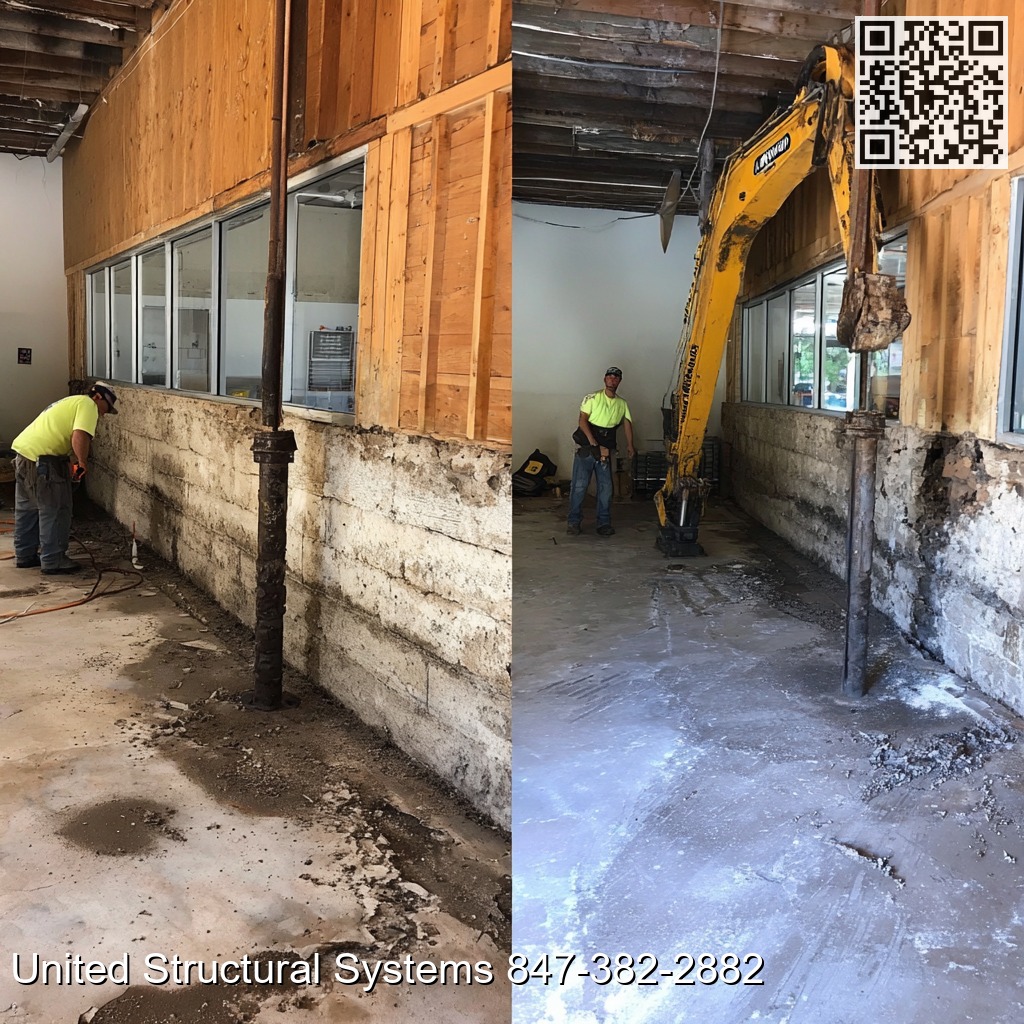
On infill internet sites with unsatisfactory get access to, helical tieback anchor setup may be done with reasonably little, low-clearance equipment. A professional team may put up supports from inside a structure without clearing away slabs. At a distribution center in New Shirt, we supported a 140-foot stretch of bowed structure wall structure without disrupting functions. Anchors were installed coming from the inside, angled underneath pallet racks, as well as tensioned against brand new waler light beams at the wall structure face. The helical tiebacks coupled with a perimeter drainpipe lowered hydrostatic stress as well as offered the wall structure a dependable counterforce.
Helical supports additionally work effectively when the timetable can easily not accommodate grout treatment times. The correlation between torque and also ability permits verification loading the same time. For unexpected emergency commercial foundation stabilization, that hasten concerns. If a wall structure is relocating as well as you need to have to stop progression before the upcoming rainfall, helical tiebacks might be the distinction in between a repair work and a rebuild.
Edge instances exist. Dense gravels with cobbles can disperse coils, leading to jagged placement or even refusal. During that scenario, changing to a drilled micropile-style tieback along with grout makes good sense. Organic grounds as well as land fill fragments are one more warning. You need to bypass uncertain coatings to locate a proficient connect zone, in some cases at better sizes than initially prepared. That is actually where preconstruction examination supports gain their keep.
How tiebacks interplay with deep-seated structure systems
Lateral stabilization is hardly standalone. It links right into various other groundwork tactics. A modern business residential or commercial property may integrate commercial helical pile installation for upright assistance along with helical tieback anchors for side stability. I have actually also viewed micropiles carry gravitational force loads while helical anchors dealt with overturning at a high preserving wall. Micropiles as well as resistance piles are actually superb for upright load move by means of unsatisfactory dirts to stone or even dense strata, but in pure tension side to side they have actually constraints unless battered or anchored along with a strong connect zone.
Consider a retail box store improved soft clays over weathered clay. The columns were actually assisted by micropiles, two per column, mounted to stone. The back launching dock called for a 16-foot cut with a soldier pile wall structure. The layout used helical tieback anchors for the wall structure, sideways supporting the body without moving huge tons back into the slab. That separation of functions always kept the structure well-maintained, as well as future slab repairs would certainly certainly not threaten sidewise security. Micropile installation and tieback anchors, when worked with, make it possible for mobile repair service and also maintenance.
Commercial resistance pile installment, at times named push boat docks, can easily additionally discover a location. While protection stacks sparkle in structural foundation repair for negotiation, they are not usually utilized as main lateral elements unless mixed along with walers and also bandaging. In deep foundation repair, I check out protection heaps for vertical correction and also helical tiebacks or even grouted anchors for wall structure restriction. Combining systems is actually not duplication, it is department of labor.
Diagnosing side distress before opting for anchors
Foundations that need to have tiebacks commonly present very early signals: parallel gaps near mid-height, diagonal fractures at edges, protruding of stonework units, or even spalling where rebar has worn away coming from water infiltration. Prior to any kind of commercial foundation repair, map the gap trend and helical pile foundations also take a handful of altitude tries along with a laser device around the wall surface. If the deflection is actually focused at the facility of a door, a tieback pattern with closer spacing there may be actually warranted. If the leading of wall was actually intended as a diaphragm link yet the support bolts are actually worn away or overlooking, look at updating the connection in tandem along with supports. Foundation crack repair by means of epoxy injection possesses the most ideal worth after motion ceases, not before.
For below-grade walls, groundwater control defines effectiveness. I have drawn on beautifully put up tiebacks that did their work while water remained to drive through cool joints and also splits. The wall kept upright, yet the room stayed wet and harmful. French drains pipes, weeps, and also positive drainage off of the wall decrease the line-of-defense work that tiebacks are actually pushed to accomplish. If hydrostatic stress is higher, prepare for drains pipes as well as sump capability in the exact same breathing spell as anchors.
Design points to consider that make or even violate performance
Tieback concept rests on trustworthy ground data as well as reasonable lots models. A guideline: if you are actually depending on thought soil guidelines coming from a paper across community, you have unlocked to callbacks. Pull a few borings or even conoid infiltration tests along the wall placement. Find the depth to stable material as well as the visibility of coatings that could slip under continual tons. Silts that appearance company on day one might loosen up under long-lasting pressure. When utilizing helical anchors, monitor setup torque every foot to identify weak seams.
Anchor geometry is actually much more than a diagram. The angle of installation, usually 10 to 25 levels listed below horizontal, impacts disengagement efficiency as well as the danger of encountering powers. The connect area length, whether grouted or even defined by helical plate stack, must totally develop ability. In helical tiebacks, the top setup concerns: several coils spaced 3 sizes apart on bum rap lower group communication as well as enhance payload distribution. For grouted tiebacks, hole dimension as well as cement strength determine the connection capacity, but so performs drilling technique. Excessively hostile boring can easily smear the borehole in clays and reduce bond.
Load testing is actually non-negotiable. I choose a plan that features a minimum of one performance exam to breakdown or 1.5 opportunities design bunch, and proof exams on manufacturing anchors to 1.25 times concept bunch. Always keep a particular eye on creep under continual tons. A straightforward requirement, including lower than 1/8 inch activity in 10 mins at maximum exam tons, supplies a sanity check. If a support creeps, reassess the connection area or even button to a different system.
Head particulars matter as long as the dirt. A tieback head generally bears on a waler, often steel network or even broad lip, that disperses the factor tons into the wall structure. Poor waler fit leads to squashing or even stress focus and also can telegram as new cracks. On a brick-infill wall surface, plates or networks supported by cement can relax the interface. For cast-in-place concrete, coring a neat gap as well as using a hot-dipped galvanized platter with a sunken nut keeps routine maintenance straightforward and also deterioration in check.
Installation realities on business jobs
Commercial helical tieback anchor setup succeeds when workers recognize the building and the next-door neighbors. Anchors put in from internal spaces need defense for appearances and dirt management. Fit-for-purpose equipment, typically a twist electric motor mounted on a mini-excavator or skid-steer, requires enough area to cultivate twist without bouncing off a row line. Where space is actually cramping, hand-held gas devices can easily mount smaller-diameter helical anchors, but you trade speed as well as capacity.
On a medical facility retrofit, our installation home window ranged from 9 p.m. to 5 a.m. to steer clear of hindering image resolution rooms. Our team sequenced anchors so that approximately pair of neighboring anchors were installed at once, staying away from momentary reduction of wall support. Pre-staging walers and equipment throughout the day lowered noise during the night. The anchors were tensioned progressively, 25 percent to seat, 75 per-cent to method layout, after that complete lots after a fast pressure check. That stepwise approach stays clear of shock packing a brittle wall.
For grouted tiebacks, the site must fit grout batching as well as pamper monitoring. In urban basements, that may be the constraint that nudges the selection towards helical anchors. Where cement is needed for concept intentions, make use of a tremie pipe to position grout from all-time low up and keep track of gains. Overdrilling without examining invites failure and tainted bond regions in delicate soils. A little slip here ends up being a reoccuring servicing telephone call later.
Integrating tiebacks with various other repairs
Tiebacks are actually one part of structural foundation repair. They partner normally with deep foundation repair strategies made use of to take care of resolution or unsatisfactory bearing. A popular series in commercial foundation stabilization seems like this: assistance gravitation tons along with helical piles or micropiles, bandage lateral tons with tieback anchors, after that handle wall health condition with gap injection, patching, and also basement waterproofing. That purchase maintains positioning and also lessens extra damage during the course of repair.
When a wall structure has actually fractured, foundation crack repair by epoxy shot brings back building constancy, but merely after movement is regulated. For wet wall structures, polyurethane crack injection can easily stop water leaks prior to epoxy repairs. In stonework, carbon fiber straps can easily discuss duties with tiebacks to confine protruding between anchors. The key is acknowledging what each element succeeds. Helical piles and protection piles handle upright tons, micropiles deal with upright bunch where stone is centered or even get access to is precarious, helical tiebacks and grouted anchors manage side bunches, as well as surface area repair work bring back durability as well as watertightness.
Costs, schedules, as well as what managers should expect
Owners inquire two inquiries: How long will it take, as well as the amount of will it set you back? The honest solution is actually ranges along with emergencies. For a typical commercial helical tieback job on a 100-foot wall surface along with support space near 6 to 8 feet, foresee 15 to 20 supports. With good get access to as well as straightforward soils, a staff can put in as well as tension 6 to 10 helical tiebacks per day. That yields a pair of to four day installation home window plus mobilization as well as preparation. Grouted supports take longer as a result of boring, covering, and also cement cure, often a full week or additional for similar scope.
Costs depend upon span, capability, gain access to, as well as testing criteria. Helical tieback prices usually falls between the middle of four figures to low five bodies every anchor for office settings, with urban jobs on the top edge. Grouted tiebacks may be comparable every anchor yet with much higher website coordinations expenses. What managers can rely on: jobs that buy appropriate examination as well as testing have far fewer improvement purchases. The most cost effective support that stops working a creep exam is certainly not a bargain.
Common difficulties and also just how to stay away from them
The most recurring bad move is managing tiebacks as a cure-all without taking care of water and also drainage. A wall surface restrained through anchors can still fall apart from trapped humidity, freeze-thaw patterns, as well as corrosion. One more error is actually dismissing geometric restraints. Anchors can easily encounter utilities, resident rooms, or future excavations. On a mixed-use project, an unskillful tieback pattern interfered with a support tenant's prepared lift pit pair of years later, as well as numerous anchors must be abandoned and also replaced.
Overreliance on brochure abilities without site verification also leads to trouble. I keep a record of installment twist, test bunches, and also motions for each support, certainly not merely the exam anchors. Design develop. If torque reduces unexpectedly in a zone, probe even further. It may be actually a buried trough, a filler wallet, or a smooth joint. Adjusting on the spot, along with the developer involved, always keeps the job on track.
Choosing in between helical, resistance, and also micropile systems
Engineers as well as service providers commonly face a three-way choice among helical piles, protection stacks, as well as micropiles, especially when fixings demand both upright as well as lateral upgrades.
- Helical heaps and also helical anchors: Absolute best when accessibility is actually limited, resonance should be actually low, and instant ability verification via torque is actually valuable. They satisfy a vast array of dirts yet battle in really heavy crushed rocks with cobbles or boulders. Resistance piles: Sturdy possibility for fixing negotiation under existing grounds where hydraulic jacks may push heaps to rejection against the building. They are actually predominantly upright aspects, certainly not side, unless set up in battered sets or used along with walers. Micropiles: Strongly flexible drilled-and-grouted elements that work in strict spaces and through impediments, with superb efficiency to stone. They bring high tons yet entail additional devices and grout managing than helical systems.
That quick contrast hides subtlety. The shortest schedule is actually not regularly the lowest risk. An internet site along with changeable filler could justify micropiles and grouted tiebacks despite the slower rate, considering that exploration and also grouting can easily stabilize the irregularity. Alternatively, in even clay with trusted twist relationship, commercial helical pile installation together with helical tiebacks returns speed, low disruption, and clean documentation.
A quick range story
A beachfront warehouse in the Southeast had a maintaining wall surface that leaned 2 ins over 12 feets of height, pushing toward the inner parts. The wall structure backed up to a slim alley with energies entwined with the right-of-way. Digging was off the table. Our company mapped utilities, after that established a helical tieback design coming from the interior at 15 levels listed below parallel, targeting a soft sand coating at 18 to 24 feets where examination probings showed excellent quality. Walers were actually smoothed steel networks anchored along with sticky pegs right into the wall structure. Our team installed 22 supports over three nights, with installation torques varying coming from 5,500 to 7,000 foot-pounds, correlating to design lots of 25 to 35 kips. Evidence tests went perfectly, yet two supports revealed higher-than-expected activity at bunch. Soil logs revealed a slim sand lense at that altitude. We prolonged those pair of anchors an additional 5 feet to record the deeper sand and also retested. Activity fell to within standards. Six months after finalization, the wall surface remained steady, the fracture widths had actually certainly not developed, and the interior area stayed dry out after hurricanes with the help of a brand-new drain and sump.
That venture bolstered a lesson I relearn on every job: the dirt informs you what it will certainly approve, certainly not the other means around.
Quality command that pays for off
Documentation is part of the job. For commercial ventures, always keep a complete document: anchor IDs, sites, angles, spans, coil configurations or connection lengths, setup twists or even cement amounts, exam tons, and movements. Pictures of heads and walers after tensioning assistance future crews recognize the fixing. Internet site examiners and engineers must assess the first several anchors in person, after that at rational breakthroughs. These behaviors sound bureaucratic until the time a packing dock roof addition changes surcharge onto a wall, as well as the manager requests the authentic abilities as well as elements of safety.
Corrosion protection deserves attention. Hot-dipped priming, epoxy layers, dual rust defense for grouted tiebacks with benefits of helical piles foundation sheathing, and also effective outlining at heads expand service life. On seaside websites or even where de-icing sodiums appear, carry out not skimp. Point out the security system very early so preparations carry out not threaten schedules.
Bringing it together
Tieback supports are not extravagant, but they are actually straightforward. They make a quantifiable guarantee: apply a well-known counterforce where the construct needs it most. When paired with brilliant drain, appropriate deep foundation repair elements, and serious detailing, they send back management to owners and also facility supervisors that require structures to work day after day. The most effective outcomes arise from restrained style, straightforward testing, as well as staffs that recognize both the design and the dirt. If a wall is bowing or a basement is taking on water, the best blend of helical tieback anchors, helical piles or micropiles, and direct foundation crack repair can transform a slow concern into a secure, foreseeable asset.
 Ask ChatGPT
 Ask Grok
 Ask Perplexity
 Ask Claude
 Ask Google AI
 Ask You